Sunday, September 21, 2025

The Shrewdness of the Saints

 Luke 16:1-15

Few passages of Scripture have more confused Christians through the centuries than the verses of our Gospel lesson. So, let’s clear some of the confusion from the outset: Jesus isn’t here telling us to steal or lie like the dishonest business manager in His parable. But Jesus is telling us to be like the business manager in one way. We are to be shrewd–wise–not in the ways of the world like the manager was, but shrewd about our need for God.

One day, every human being, whether they want life with God while living on this earth or not, will see how much they need God at that moment when they die and, for the first time ever, see God face to face. The Bible tells us that, “each of us will give an account of himself to God.” (Romans 14:12) And Jesus tells us today that we must, before that moment arrives like “a thief in the night,” be shrewd about life with God and how it can be received. But what does it mean to be shrewd or wise in our relationship with God?

First, we must be shrewd about the gap that exists between God in His holiness, and us in our sin. It’s a gap we can’t bridge by our good works, offerings, prayers, friendliness, or piety. To see the gap between God and us is to admit, with King David, “I was brought forth in iniquity, and in sin did my mother conceive me…” (Psalm 51:5) Or, with the apostle Paul, we need to admit, “I know that nothing good dwells in me, that is, in my flesh. For I have the desire to do what is right, but not the ability to carry it out.” (Romans 7:18) By nature, we are unrighteous, born sinners. If righteousness, which means to be innocent of sin and right with God, were a bank account, you and I would be born with an infinite deficit from the beginning. And by the wrong we do and the right we fail to do, we would only add to the tons of red ink in our accounts from the moment we’re born until the day we die.

This is like the wise insight of the dishonest manager in Jesus’ parable. Evidently, irrefutable evidence is given to his boss that he has been stealing, embezzling money. The master calls him in and tells the manager that he’s fired. “Turn in your books.” The manager doesn’t waste breath trying to convince the master that he isn’t guilty. Both he and the master know he’s guilty. The master was right, and he was wrong. This is precisely what wise people, shrewd people, understand in their relationship with God. God is right, and we are wrong. After being called out by the prophet Nathan for committing adultery and murder, King David didn’t try to excuse himself before God. Instead, he cried out to God, “Against you, you only, have I sinned and done what is evil in your sight, so that you may be justified in your words and blameless in your judgment.” (Psalm 51:4) When we are wise, we see that David’s prayer must be our prayer too.

But there was another element to the shrewdness, the wisdom, of the dishonest manager in Jesus’ parable. In that culture, a wealthy master had the power to execute or make miserable the life of someone like the manager on the spot. Instead, the master only fires the manager. Knowing that he has a short amount of time to act, the manager hits on plan. Before the word gets around that he has been fired, and why, the manager calls in all his master’s debtors. He has them write new IOUs to the master, telling them to reduce what they owe his master by massive amounts. Folks, this would be like a bank officer calling in a farmer and saying, “Reduce what you owe this year for feed, seed, and machinery by $150,000,” or telling a homeowner, “Knock 80% off of the mortgage on your house.” Because the debtors don’t know the dishonest manager has already been fired, each of them walks away from having their debts dramatically reduced thinking what a fine man the master is and what a great guy the manager is. This way, though he no longer has a job with the master, the manager knows dozens of other people in the neighborhood willing to welcome him and hire him. Pretty shrewd, huh? And when the master finds out what his manager has done, costing him the ancient equivalent of hundreds of thousands, maybe millions, of dollars, he doesn’t blow up, kill the manager, or call the sheriff to have the manager arrested. Instead, Jesus concludes His story by saying, “The master commended the dishonest manager for his shrewdness.” (Luke 16:8) Now, why did the manager know his ploy would work? Because he knew the master was merciful.

And this brings us to the second way you and I must be shrewd, or wise, in our relationship with God. Our sin, the sin of us all, is serious business. God’s Word is clear: “the wages of sin is death.” (Romans 6:23) We are bound to agree with The Small Catechism, when it says, “we sin every day and deserve nothing but punishment.” But in the face of the reality of our sin and the condemnation we deserve for it, here is the second bit of shrewdness we must have in our relationship with God: In Jesus Christ, God has forgiven you all your sins and opened up eternity with God for all who believe. No exceptions. Jesus says, “The time is fulfilled, and the kingdom of God is at hand; repent and believe in the gospel.” (Mark 1:15) We can repent and believe in Jesus because we know our Master, the Lord we meet in Jesus, is merciful. The psalmist says, “The Lord is gracious and merciful, slow to anger and abounding in steadfast love.” (Psalm 145:8) Jesus says, “God did not send his Son into the world to condemn the world, but in order that the world might be saved through him. Whoever believes in him is not condemned, but whoever does not believe is condemned already, because he has not believed in the name of the only Son of God.” (John 3:17)
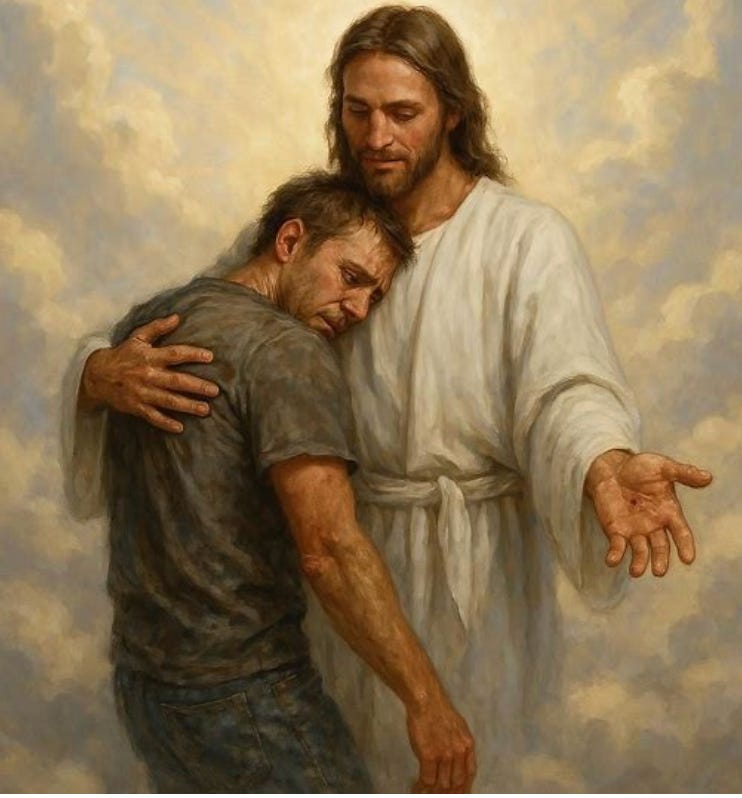
The shrewd person knows that the God Who sent His Son Jesus to take the death sentence for sin we deserve and raised Him up to tear open eternity to all who repent and believe in Jesus, also knows something else. We have no idea about how long we have to repent and trust in Christ. Not a moment of this life, the life in which Christ calls us to repent and believe in Him, is guaranteed to us. The manager acted when he could. And we too, must act when we can, living in “daily repentance and renewal,” daily turning from sin and death, and daily falling into the forgiving embrace of Jesus Christ, God the Son.

In another one of his parables, Jesus tells the story of a man who focused on making lots of money, building bigger and bigger barns to hold his crops. He does this only thinking about life in this world. Finally, Jesus says, God came to the man, and said, “Fool! This night your soul is required of you, and the things you have prepared, whose will they be?” (Luke 12:20) That man was shrewd about the ways of the world, but he had no shrewdness about God. He had no repentance, and he had no saving faith. He met death naked in sin, not covered by the forgiveness and righteousness of Jesus. He condemned himself by His foolishness toward God.

Friends, the God we know in Jesus Christ loves you with an everlasting love. He wants you to be with Him forever. He wants to forgive your debts, your sins–whatever they may be: idolatry, covetousness, lying, adultery, thievery, murder by thought, word, or deed. Jesus died on the cross and rose from the tomb to erase sin’s power to condemn you. To all who are shrewd enough to know they are sinners and need help from outside themselves–from God through our Savior Jesus–and shrewd enough to see how merciful, and forgiving, and kind, and loving, God is, there is a welcome to God’s “eternal tents” now, even in this fallen world, and, one day, in the new heaven and the new earth Jesus will bring on the last day when He returns to set all things right, and in which we will live with God and His people for all eternity. This is the shrewdness of the saints of God, sinners covered by the forgiveness God gives through Jesus Christ alone. Again today, Jesus tells you, “I am the resurrection and the life. Whoever believes in me, though he die, yet shall he live, and everyone who lives and believes in me shall never die.” (John 11:25-26)

Because of His death and resurrection for you, friends, you can believe that ALL of that is true and that it is true now and for all eternity for you. Amen

You Can Trust in Christ Now

 [This is a sermon for September 28, 2025, the Sixteenth Sunday after Pentecost. Churches without pastors, pastors whose other pressing duties have prevented them from preparing sermons, Bible study leaders, and others are free to use it. Just let me know if you do.]


Luke 16:19-31
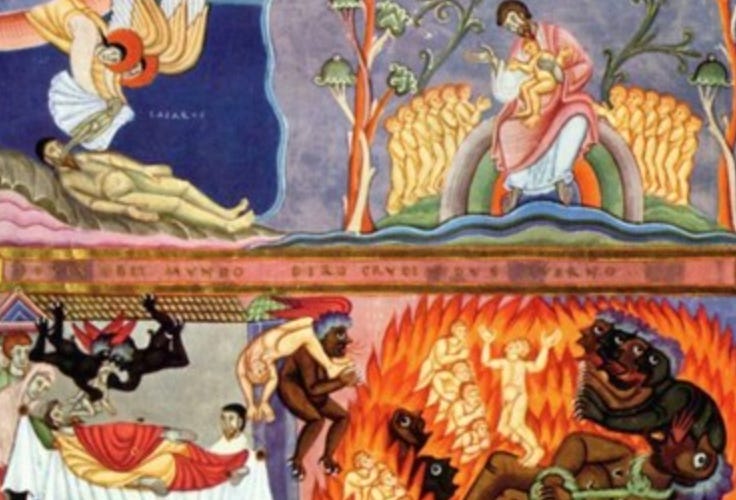
The story or parable that Jesus tells in today’s gospel lesson is well known to you. As Jesus tells it, there was a rich man, “who was dressed in purple and fine linen and lived in luxury every day.” (Luke 16:19)

From what Jesus says here, we know that the rich man wasn’t just rich; he was fabulously wealthy. Only the wealthy or kings could afford clothing made of linen or dyed purple. The rich man also lived in luxury, meaning that he didn’t just feast at weddings or holidays, but all the time. He wasn’t satisfied with what Jesus calls, “our daily bread.” This guy’s motto in life was, “More!”

Jesus then tells us about another character in the story: “At [the rich man’s] gate was laid a beggar named Lazarus, covered with sores and longing to eat what fell from the rich man’s table. Even the dogs came and licked his sores.” (Luke 16:20-21)

Lazarus, not to be confused with Jesus’ friend of the same name, is helpless. When dogs lick his open sores, he’s too weak to fend them off. And he can’t even place himself at the rich man’s gate. Someone else has to do that for him.

Maybe someone set Lazarus there, hoping the rich man would take pity on Lazarus. If that had been the hope, it was an unwarranted one. Lazarus lays at the rich man’s gate until he dies. The rich man dies at the same time. But when Lazarus dies, Jesus says, “the angels carried him to Abraham’s side,” or, more literally, Abraham’s bosom. Lazarus is in a place of peace and contentment to which those who trust in the God of Abraham, the God the whole world can now know in the crucified and risen Jesus, go.

Of the rich man, Jesus says he “died and was buried.” (Luke 16:22) But Jesus tells us that, unlike Lazarus, the rich man went to “Hades [hell], where he was in torment…” (Luke 16:23)

Let’s be clear. The rich man isn’t damned to an eternity of burning in unquenchable fire because he was rich in this world. Rather, he had condemned himself by putting his trust in the things of this world rather than in God. The Old Testament patriarch Abraham was, you’ll remember, wealthy. But Genesis 15:6 tells us that despite his sins and faults, about which the Bible was quite open, Abraham “believed the Lord, and [God] credited it to [Abraham] as righteousness.” Abraham was saved from sin and death by God’s grace through faith in the God you and I now meet in Jesus. The rich man in Jesus’ story didn’t trust in God.

As Jesus tells it, the rich man can see Lazarus, the poor man he once ignored, in the bosom of Abraham, safe in that place with God that all who believe in Him go to await their resurrections on the day Jesus returns to the earth. “Father Abraham,” the rich man cries, “have pity on me and send Lazarus to dip the tip of his finger in water and cool my tongue, because I am in agony in this fire.” (Luke 16:24)

The rich man calls Abraham “father” because he, a Jew, is genetically descended from Abraham. But as Jesus once told Jewish believers who were turning their backs on Him: “If you were Abraham’s children,...then you would do what Abraham did…” (John 8:39). In other words, if they were like Abraham, they would, like Abraham, trust in the God incarnate Who stood before them.

Abraham is tender, yet firm, in his reply to the rich man. “Son, remember that in your lifetime you received your good things, while Lazarus received bad things, but now he is comforted here and you are in agony. And besides all this, between us and you a great chasm has been set in place, so that those who want to go from here to you cannot, nor can anyone cross over from there to us.” (Luke 16:25-26)

Friends, once we are dead, it will be too late to turn to God for life.

It will also be too late to share with others the good news, the Gospel of new and everlasting life with God for all who trust in Jesus.

The rich man was a descendant of Abraham and Sarah, an heir of God’s salvation promises. But he had forgotten God.

One of my joys as a pastor is baptizing people—young or old, anyone who has never been previously baptized—in the name of God the Father, God the Son, and God the Holy Spirit. In Holy Baptism, we are crucified and raised again as God’s own children. God never reneges on the covenant He makes with us in Baptism. In the water connected with Jesus’ Gospel Word of promise, in the Bible, and in Holy Communion, Jesus sends His saving Word to call us to daily repentance and eternally saving faith in Jesus.

The rich man tragically walked away from God’s covenant with Him. He refused to receive God’s saving Word, which works faith in us. And so, Abraham says, the rich man must live with the consequences of his faithlessness, even as Lazarus enjoys the consequences of his faith: eternal life with God!

Now the rich man, resigned to an eternity separated from God, finally thinks about someone besides himself.

He asks Abraham to send Lazarus to warn his five brothers–Luke actually says, to thoroughly witness to them–so that they can repent for their sins and trust in God for life.

Abraham tells him, “No,” and that the rich man’s brothers already have Moses and the Prophets to be warned and have good news preached to them.

The phrase, “Moses and the Prophets,” refers to the witness of the entire Old Testament that God would send a Messiah, God in the flesh, to die for our sins, destroy their power to condemn us, and to rise for us, opening up life with God to all who trust in Jesus.

Today, the Word of God, both Old and New Testaments, and the Word given to us in Holy Baptism and Holy Communion, give witness for Jesus: His saving love, His power over death, His call to repentance and faith. God’s Word shows us that God loves us and that He has done everything needed to save us from sin, death, futility, and eternal condemnation.

The rich man says that if Lazarus went back to the world from the dead with the message that this heaven and hell thing is true and that they needed to put their trust in the God revealed in the crucified and risen Jesus, and not in the world, his brothers would repent and believe. But Abraham says, “If they do not listen to Moses and the Prophets, they will not be convinced even if someone rises from the dead.” (Luke 16:31)

You and I are blessed. Not only do we have the Word of Moses and the Prophets pointing forward to Jesus’ cross and empty tomb, we have the witness of the New Testament testifying that hundreds of people, however imperfectly, followed, witnessed, and risked their lives to tell the world that Jesus Christ died to destroy the power of sin and death and rose to give us eternity with God! And they had seen Him after He rose!

We have the witness of the once-tongue-tied and fearful Peter, who told the crowds on the first Christian Pentecost: “Jesus of Nazareth was a man accredited by God to you by miracles, wonders and signs, which God did among you through him, as you yourselves know. This man was handed over to you by God’s deliberate plan and foreknowledge; and you, with the help of wicked men, put him to death by nailing him to the cross. But God raised him from the dead, freeing him from the agony of death, because it was impossible for death to keep its hold on him.” (Acts 2:22-24)

When the crowds, recognizing that it was their sin–as it is our sin–that put the sinless Jesus on the cross, asked Peter how they could avoid the condemnation they deserved–the same condemnation we deserve for our sin–Peter told them: “Repent and be baptized, every one of you, in the name of Jesus Christ for the forgiveness of your sins…The promise is for you and your children and for all who are far off—for all whom the Lord our God will call.” (Acts 2:38-39)

That promise, friends, is for you and me too! Jesus has prepared a place at His everlasting banquet for all who trust in Him. By God’s grace, He died on the cross to give us His righteousness and gain a place for us in the Kingdom of God. Even when the world despises, dismisses, misunderstands, or slanders us for our faith in Jesus, we can trust in Him. All who trust in Christ know, like Lazarus in today’s lesson, that we will have an eternity of joy with our Savior.

For those who trust in the God we meet in Jesus, “weeping may stay for the night, but rejoicing comes in the morning…” (Psalm 30:5) Trust in Jesus, friends, until that bright morning when we see our Lord face to face in eternity. Amen