Showing posts with label The Word of God. Show all posts
Showing posts with label The Word of God. Show all posts
Thursday, November 02, 2023

Tuesday, June 20, 2023
Monday, February 06, 2023
The Powerful Word of God
[Below, you'll find live stream videos of both Sunday worship services from Living Water Lutheran Church in Centerville, Ohio, and the text of the message prepared for the services. Have a good week! PS: I only mentioned Billy Frank during the sermon at the 11:00 AM modern service.]
Matthew 5:13-20
That is the powerful Word Jesus speaks to you today and you can believe it.
Amen
Matthew 5:13-20
We Christians may sometimes grow desensitized to an important truth. It;s this. The God we know in Jesus Christ always speaks a powerful Word.
How powerful?
When God spoke over ancient chaos, saying things like, “Let there be light,” He brought all the physical worlds we have ever seen or will ever see into being.
When God the Father, Son, and Holy Spirit, speaks over the waters of Holy Baptism, He makes us part of His new creation.
God’s Word has the power to create and transform!
At Jesus’ transfiguration, God the Father said to Peter, James, and John--and us--”This is my Son, whom I love; with him I am well pleased. Listen to Him!” (Matthew 17:5) The Father says this because His Word has the power to change our whole eternity. “If anyone is in Christ, the new creation has come: The old has gone, the new is here!” (2 Corinthians 5:17)
God says of His Word through the prophet Isaiah, that it “will accomplish what I desire and achieve the purpose for which I sent it.” (Isaiah 55:11)
And Hebrews tells us that God’s Word is an alive and active two-edged sword, bringing both God’s Law that condemns our sinful nature and sinful actions and the Gospel Word about the crucified and risen Jesus that creates faith and saves all who believe!
In Matthew 5:13-16, the first four verses of today’s gospel lesson, Jesus, the Word of God, God the Son, makes two powerful declarative statements. He tells us:
“You are the salt of the earth” and
“You are the light of the world.”
In making these declarations, Jesus is not saying that we should be salt and light, or we have to be salt and light, or we need to become salt and light.
If, by the power of God’s Holy Spirit-powered Word given to us in the Scriptures and in Baptism and Communion, we can say, “We believe in God the Father...We believe in God the Son...We believe in God the Holy Spirit,” then we are salt and light.
Even on those days when our faith seems weak.
Even on those days when we wonder where God is and whether He cares.
Even when we don’t feel very Christian.
God’s Word has a power and an authority that isn’t dependent on our feelings, moods, thoughts, or actions.
God’s Word always accomplishes what God desires, and always achieves the purpose for which He sends it.
And His Word says that all disciples of Jesus are salt and light.
But what does it mean to be salt and light? Let’s take these descriptions of you and me one by one.
Take a look at verse 13. Jesus says, “You are the salt of the earth. But if the salt loses its saltiness, how can it be made salty again? It is no longer good for anything, except to be thrown out and trampled underfoot.”
From ancient times, the Jewish rabbis have associated salt with wisdom. True wisdom, according to Proverbs 2:6, always comes from God.
The ultimate wisdom that God reveals to a human race bent on “being like God” sounds foolish--insane--to the world. This wisdom says that life, everlasting life, as we are meant to live it, begins with a cross and culminates in eternal life for those who turn from sin and believe in Jesus.
As the apostle Paul says elsewhere: “...the message of the cross is foolishness to those who are perishing, but to us who are being saved it is the power of God.” (1 Corinthians 1:18)
But Jesus assures us today that you and I are, because of Christ’s presence in and with those who believe in Him, the wisdom of God for a world gone foolish, born foolish, from sin and death. Jesus makes His people the salt of the earth: God’s wisdom staring the world in the face.
But what if salt loses its saltiness? Of course, sodium chloride, salt, can’t lose its salty quality. Salt only loses its salty influence if it becomes diluted.
Our saltiness as disciples is diluted, diminished, when we allow our faith in Christ to be diluted.
When Christians say things like, “The Bible is good, but I don’t think God knew as much back then as we do now,” they’re trading in God’s wisdom for human wisdom, trading in Jesus for the world.
When we hear Christians utter blasphemies like, “I think Jesus is a Republican” or “I think Jesus is a Democrat,” their saltiness is diluted and they’re at risk of, as Jesus says, “no longer [being] good for anything, except to be thrown out and trampled underfoot.”
Whenever Christians try to add their finite, imperfect, short-sighted “wisdom” to God’s wisdom, we lose our saltiness. They dilute the power of their witness for Jesus to others in our world.
In fact, when Jesus says in our translation, “loses it saltiness,” the word it translates in the Greek in which Matthew wrote--μωρανθῇ, from which we get the word moron--literally means become foolish. We lose our saltiness–we become morons–when we foolishly dilute the truth of the Gospel and of the Word of the Bible.
We avoid becoming foolish by rooting our lives and our witness in the Word of God.
Jesus makes us salt of the earth so that we have life with God that never ends through faith in Jesus, for sure. But He also makes us salt of the earth so that we can season the whole world with the truth of the Gospel, the ultimate wisdom of God.
Jesus carries this theme on in His next declarative Word for believers. Verse 14: “You are the light of the world. A town built on a hill cannot be hidden. Neither do people light a lamp and put it under a bowl. Instead they put it on its stand, and it gives light to everyone in the house. In the same way, let your light shine before others, that they may see your good deeds and glorify your Father in heaven.”
Wait a minute, we might think, isn’t Jesus supposed to be the “light of the world”? Yes, Jesus is “the true light that gives light to everyone” (John 1:9).
To speak of Jesus as the light of the world is to speak of the God of blazing perfection, Who gives illumination and direction to those who follow Him, Who burns away the sin and impurities that can mar our relationships with God and others.
This Light, Jesus, is living in disciples of Jesus, guiding us, making us new, warming us in the glow of God’s tender love for us. In the Light of Jesus, His Word, “we all, who with unveiled faces contemplate the Lord’s glory, are being transformed into his image with ever-increasing glory, which comes from the Lord, who is the Spirit.”
“Your word is a lamp for my feet, a light on my path,” a prayer says in the Psalms. (Psalm 119:105)
Jesus tells us today that we need to keep the fires of His light stoked within us by remaining connected to Him and His Church. There’s a reason for that!
At the end of today’s gospel lesson, Jesus says something that would be disturbing if He hadn’t already declared us to be His salt and light. “For I tell you,” He says, “that unless your righteousness surpasses that of the Pharisees and the teachers of the law, you will certainly not enter the kingdom of heaven.”
As Christ's Word enables you to believe in Him, your righteousness does exceed that of the Pharisees and all the other fussy, self-righteous, chest-thumping, judgmental, holier than thou religionists you can name.
How?
By the power of His Word, God has given you faith in Jesus and declared you to be His salt of the earth and His light in the world.
In daily repentance and renewal, in regular worship with God’s people, and regular attention to His Word, You are empowered to turn again and again back to the One true God we know in Jesus Christ lives in you.
The tastelessness of sin and death is gone. So is the darkness of life without God or its ability to make you afraid of sin, death, or the devil.
You have been justified by God’s grace through faith in Christ, that is, you have been made righteous and worthy of life with God, now and forever, because you are covered by the perfect, sinless, righteousness of Jesus.
That’s what it means to be the salt of the earth and the light of the world.
That’s who you already are by faith in Christ.
As you turn to Him daily in repentance and faith, that’s who you always will be.
That is the powerful Word Jesus speaks to you today and you can believe it.
Amen
Sunday, January 08, 2023
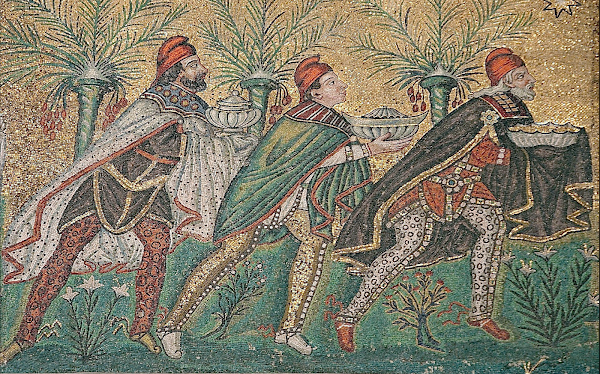
So Why Did They Follow the Star?
[Below you'll find video of both of today's worship services with the people and friends of Living Water Lutheran Church in Centerville, Ohio, as well as the message for the day. Have a good week!]
Matthew 2:1-12
There’s a reason Christians sense themselves to be “living in the presence of overwhelming love.”
Back when I was an atheist, a Christian might have been able to convince me of God’s existence by one or both of several arguments.
They may have said, “A creation must have a Creator.” But even if I had agreed to that proposition, it would have left me far from a the belief in Jesus that assures believers they live in the presence of overwhelming love.
A Christian may have pointed to moral law, the sense of right and wrong that everyone seems to have, even if they don’t believe in God. “That sense of right and wrong came from Someone,” a Christian may have told me, “and that Someone is God.” But even if I’d been convinced of their argument, I still would have been far from knowing and believing in Jesus as Savior, King, God…my Savior, King, and God.
It took the Word of God about Christ in the words and the lives of people in the church to which Jesus once dragged me for me to become a believer in Jesus Christ. Even now, I can see them and picture the disciples of Jesus Who spoke God’s Word in such a way that caught my attention and gave me faith. There were the Dells, the Larsons, the Schneiders, and others. They were the “stars” God used to lead me to Jesus, to trusting in Him, to worshiping Him.
Through these ordinary saints who got knocked down by life and lifted up again by Jesus, who trusted Him for life even in the face of death, I came to trust Jesus too. They taught me in practice the truth of God’s Word which Jesus threw back at Satan when he tried to tempt Jesus: “Man shall not live on bread alone, but on every word that comes from the mouth of God.” (Matthew 4:4) Through them and their proclamation of God’s Word, I came to believe in Jesus. That’s no mystery, because as Paul says in Romans 10:17: “...faith comes from hearing the message, and the message is heard through the word about Christ.”
When the Magi heeded God’s Word to follow the star, they soon found themselves in the living presence of overwhelming love. They came into the presence of and worshiped Jesus, God in the flesh.
This is the God revealed to you in His Word and in the Word made visible in bread and wine and water.
He’s the God Who has died for your sin and was raised again by the Father so that as you, by the power of God’s Word, turn from sin each day and turn to Christ, you live knowing that You are loved deeply and overwhelmingly.
You know you have been set free from your slavery to sin and death, set free to live in God’s forgiveness and are saved to live forever with the God Who made you.
Whether because of our sin, the devil, or the evil in the world, it’s so easy for us, like the Magi, to get lost: to think we know better than God about right and wrong, to grow indifferent to God and His Word, to become spiritually proud or to wallow in self-condemnation.
But God’s Word about Jesus can set us straight and bring us into the presence of God and His love again and again. That can happen every time we listen to or read God’s Word or receive the Sacraments.
When we hear and are empowered by the Holy Spirit to trust God’s Word about Jesus our God and King, we can say with the psalmist, “He lifted me out of the slimy pit, out of the mud and mire; he set my feet on a rock and gave me a firm place to stand.” (Psalm 40:2)
Friends, it was God’s Word that led the Magi to Jesus and to faith in Him. And it’s God’s Word–in the Bible, in the words of Christians, in the Sacraments–that lead us to Jesus and to faith in Him.
You can trust in Him and in His Word! Amen

Matthew 2:1-12
We’re celebrating today as the Sunday of the Epiphany. Epiphany, of course, is a word we use for “AHA” moments, moments of clarity when we “get” things. The word comes to us from Greek and it literally means manifestation or appearance. During the Epiphany Season, we remember those times when Jesus most especially disclosed Himself to be God the Son and Savior of the world. January 6, Epiphany Day, annually remembers when the identity of the toddler Jesus as God and Savior was disclosed to Gentile visitors from the East and they worshiped Jesus. Because Epiphany didn’t fall on a Sunday, our Bible lessons this morning are the readings assigned for that day. Our Gospel lesson is Matthew 2:1-12.
This lesson, as I see it, raises three questions for us to consider.
First: What prompted the Magi to follow the star?
These were superstitious men. They didn’t believe in God. They made gods out of things they could see, touch, or manipulate. They were astrologers and mediums.
The Bible forbade such activities as idol worship. Leviticus 19:31, part of the “Holiness Code” that explains the Ten Commandments, says, “Do not turn to mediums or seek out spiritists, for you will be defiled by them. I am the Lord your God.”
And yet, to foreign idol-worshipers God gave a sign of the birth of the Messiah. That’s because it’s God’s pleasure and desire to make Himself and the grace by which He saves repentant sinners known to all people. God used a sign the Magi would notice in order to call them to worship Christ, the newborn King.
But would a star have been reason enough for them to set off on a journey to an unknown destination to see a King Who may have been indifferent to them? I doubt it.
The only thing that would have prompted them, I think, is that they must have heard or read the Word of God that promised the Messiah!
Scholars tell us that the Magi came from Babylon or Persia, lands that had once conquered God’s people and taken some of them to live in exile in their lands. One of the Judean exiles, Daniel, told the Babylonians and Persians in the fifth century BC about God’s promise of a Messiah, Who would make all things right between God and His fallen creation. “...the God of heaven will set up a kingdom that will never be destroyed,” God revealed through Daniel. “It will crush all [other] kingdoms and bring them to an end, but it will itself endure forever.” (Daniel 2:44)
After the star appeared to them, it was God’s Word, however deeply or well understood, that sent the Magi to follow the star to the Messiah.
Christians today wring their hands over the future of Christ’s Church. They ask, “What can we do?”
Our call is simply to receive and then to share the Word that out of His love for us, God sent the Son Jesus to die to take the condemnation for sin we deserve, then raised Him from the dead so that all who daily turn from sin and trust in Christ have the forgiveness of sin and everlasting life with God.
This Word gives more light to the world than any star ever could!
When John talked about Jesus entering our world, he called Jesus, the Light of the world and said, “The light shines in the darkness, and the darkness has not overcome it.” (John 1:5)
It was the Word they’d heard about a Messiah that compelled the wise men to follow the star. They wanted to see Jesus!
The second question is this: When did the Magi lose track of the star? We know they did lose track of it because Matthew tells us that following their visit to King Herod, “the star they had seen when it rose went ahead of them until it stopped over the place where the child was…” (Matthew 2:9) The star reappeared to the Magi!
Evidently, once they’d gotten close to Jerusalem, they reasoned they needn’t depend on the star sent by God any longer. If the Messiah was “the King of the Jews,” He had to be in the palace at Jerusalem, right? Or at least, the present King there would know where the newborn Messiah was. Or the priests and scribes who worked in the temple and synagogues would know.
So, like an overly-confident driver turning off his GPS in a strange place before he’s reached his destination, the Magi take their eyes off the star sent by God and take a detour. Instead of relying on the Word of God to reveal the Messiah to them, the Magi decide to rely on themselves to find Jesus.
We can do this in our own lives, relying on ourselves God’s Word. It’s always a mistake. “Trust in the Lord with all your heart,” Proverbs 3:5 reminds us, “and lean not on your own understanding.” Another passage in Proverbs tells us that, “There is a way that appears to be right, but in the end it leads to death.” (Proverbs 16:25)
If we’re to see Jesus in our daily lives or in eternity, we need to turn to where He promises to be: in the Word and in the Sacraments, in the fellowship of believers, in Christ’s Church.
The Magis’ visit hit King Herod and his hangers-on like a bomb! Herod loved power. He didn’t want a Messiah messing things up.
He pretended to be pleased though and called in the priests and teachers of the Law to learn, from God’s Word, where the child was to be born. The answer was in the Old Testament book of Micah: “But you, Bethlehem Ephrathah, though you are small among the clans of Judah, out of you will come for me one who will be ruler over Israel…” (Micah 5:2)
That leads then to our third question. When did the Magi finally find the Savior pointed to by the star? That’s simple: When they once more heard and trusted in the Word of God! That Word said the Baby would be born in Bethlehem. The passage from Micah led them to Jesus. When the star revealed Jesus’ location, they worshiped the Baby. Through God’s Word, they knew they were in the presence of God Himself!
There’s a writer and editor with whom I’ve interacted through my blog, Facebook, and Twitter for nearly twenty years now. She’s a self-described unbeliever, but deeply respectful of the belief she sees in some Christians. She wrote this past week that what she found unique about Jesus among all the religious figures of history is that He “is a living presence of overwhelming love” in the lives of those who believe in Him.
My heart fairly skipped a beat when I read those words! She sees that Jesus gives to believers what no other religion and no other philosophical system in the world can give: the assurance that, despite what we deserve because of our sin, we are loved by the God revealed in Jesus!
There’s a reason Christians sense themselves to be “living in the presence of overwhelming love.”
Back when I was an atheist, a Christian might have been able to convince me of God’s existence by one or both of several arguments.
They may have said, “A creation must have a Creator.” But even if I had agreed to that proposition, it would have left me far from a the belief in Jesus that assures believers they live in the presence of overwhelming love.
A Christian may have pointed to moral law, the sense of right and wrong that everyone seems to have, even if they don’t believe in God. “That sense of right and wrong came from Someone,” a Christian may have told me, “and that Someone is God.” But even if I’d been convinced of their argument, I still would have been far from knowing and believing in Jesus as Savior, King, God…my Savior, King, and God.
It took the Word of God about Christ in the words and the lives of people in the church to which Jesus once dragged me for me to become a believer in Jesus Christ. Even now, I can see them and picture the disciples of Jesus Who spoke God’s Word in such a way that caught my attention and gave me faith. There were the Dells, the Larsons, the Schneiders, and others. They were the “stars” God used to lead me to Jesus, to trusting in Him, to worshiping Him.
Through these ordinary saints who got knocked down by life and lifted up again by Jesus, who trusted Him for life even in the face of death, I came to trust Jesus too. They taught me in practice the truth of God’s Word which Jesus threw back at Satan when he tried to tempt Jesus: “Man shall not live on bread alone, but on every word that comes from the mouth of God.” (Matthew 4:4) Through them and their proclamation of God’s Word, I came to believe in Jesus. That’s no mystery, because as Paul says in Romans 10:17: “...faith comes from hearing the message, and the message is heard through the word about Christ.”
When the Magi heeded God’s Word to follow the star, they soon found themselves in the living presence of overwhelming love. They came into the presence of and worshiped Jesus, God in the flesh.
This is the God revealed to you in His Word and in the Word made visible in bread and wine and water.
He’s the God Who has died for your sin and was raised again by the Father so that as you, by the power of God’s Word, turn from sin each day and turn to Christ, you live knowing that You are loved deeply and overwhelmingly.
You know you have been set free from your slavery to sin and death, set free to live in God’s forgiveness and are saved to live forever with the God Who made you.
Whether because of our sin, the devil, or the evil in the world, it’s so easy for us, like the Magi, to get lost: to think we know better than God about right and wrong, to grow indifferent to God and His Word, to become spiritually proud or to wallow in self-condemnation.
But God’s Word about Jesus can set us straight and bring us into the presence of God and His love again and again. That can happen every time we listen to or read God’s Word or receive the Sacraments.
When we hear and are empowered by the Holy Spirit to trust God’s Word about Jesus our God and King, we can say with the psalmist, “He lifted me out of the slimy pit, out of the mud and mire; he set my feet on a rock and gave me a firm place to stand.” (Psalm 40:2)
Friends, it was God’s Word that led the Magi to Jesus and to faith in Him. And it’s God’s Word–in the Bible, in the words of Christians, in the Sacraments–that lead us to Jesus and to faith in Him.
You can trust in Him and in His Word! Amen
Sunday, December 18, 2022
The Powerful Word!
[Below you'll find the text of the message prepared for both worship services of Living Water Lutheran Church in Centerville, Ohio, this morning. The live stream videos of both services are also here.]
Matthew 1:18-25
When Joseph learns of Mary’s pregnancy, deeming the idea that her pregnancy has come by way of the Holy Spirit unbelievable, he has two bad options. Option one: he can go ahead with the marriage, in effect, creating the impression that he and Mary had violated the sixth commandment–”You shall not commit adultery.” But if he does this, he’ll be subject to condemnation, ex-communication from the synagogue, and a loss of reputation leading to loss of work in Nazareth or the surrounding area.
His second option is to divorce Mary. This is the option he decides on, hoping to do so “quietly.” This means basically that, to protect Mary, the bill of divorce he signs will make no mention of why he’s divorcing her. But everyone in Nazareth will assume that Joseph is the father of the child. Joseph will ruin his own reputation in order to shield Mary and her baby from a lifetime of harassment and shunning.
While still thinking about all of this, Joseph goes home and hits the sack. In a dream, an angel comes to Joseph and says: “Joseph son of David, do not be afraid to take Mary home as your wife, because what is conceived in her is from the Holy Spirit. She will give birth to a son, and you are to give him the name Jesus, because he will save his people from their sins.” (Matthew 1:20-21)
Now, these words are so freighted, they must be unpacked.
Matthew 1:18-25
Few incidents in Scripture more forcefully convey the power of God’s Word than does today’s Gospel lesson, Matthew 1:18-25. In it, Joseph, the Nazareth handyman God had chosen to be the earthly father of Jesus, God the Son, moves from fear to faith in facing the role God marked out for him.
Let’s be clear. God makes a big ask of Joseph. It is, from the standpoint of human beings, one that will upend the plans he’s made for his life and subject him to all kinds of trouble.
You know what happens: Joseph is betrothed to Mary and learns that Mary is pregnant. Joseph knows that he’s not the father and is devastated, certain that Mary has been unfaithful.
In those days, a betrothed couple was considered legally married among God's people. They were also expected, by law, not to consummate their marriage until the betrothal period, usually lasting a year, ended. Sexual relations outside of marriages between husbands and wives were punishable by death by stoning. It had ceased being customary for betrothed women who were pregnant by relations with men other than their husbands to be executed. Instead, under provisions in the Old Testament book of Deuteronomy, the violated husbands could write a bill of divorce to end the betrothal.
When Joseph learns of Mary’s pregnancy, deeming the idea that her pregnancy has come by way of the Holy Spirit unbelievable, he has two bad options. Option one: he can go ahead with the marriage, in effect, creating the impression that he and Mary had violated the sixth commandment–”You shall not commit adultery.” But if he does this, he’ll be subject to condemnation, ex-communication from the synagogue, and a loss of reputation leading to loss of work in Nazareth or the surrounding area.
His second option is to divorce Mary. This is the option he decides on, hoping to do so “quietly.” This means basically that, to protect Mary, the bill of divorce he signs will make no mention of why he’s divorcing her. But everyone in Nazareth will assume that Joseph is the father of the child. Joseph will ruin his own reputation in order to shield Mary and her baby from a lifetime of harassment and shunning.
While still thinking about all of this, Joseph goes home and hits the sack. In a dream, an angel comes to Joseph and says: “Joseph son of David, do not be afraid to take Mary home as your wife, because what is conceived in her is from the Holy Spirit. She will give birth to a son, and you are to give him the name Jesus, because he will save his people from their sins.” (Matthew 1:20-21)
Now, these words are so freighted, they must be unpacked.
First, the angel addresses Joseph as a “son of David.” Joseph was a descendant of King David of Old Testament times. While the baby in Mary’s womb is God the Son in human flesh, He would have none of Joseph’s DNA. (Or Mary’s either, for that matter.) He was conceived, as we confess each Sunday, “by the power of the Holy Spirit.” But the Messiah or the Christ, God’s Anointed One, was prophesied to come from David’s family tree. So, a son–a descendant–of David needed to adopt this child as his own. God had chosen Joseph for that role.
Then the angel tells Joseph, “do not be afraid to take Mary home as your wife.” “Don’t be afraid of the neighbors’ condemnation or possible poverty,” God is telling Joseph through the angel. “If you take Mary as your wife, you’ll be doing the will of God.” Following the God we meet in Jesus isn’t always easy, friends. To be a disciple of Jesus means we may be asked to do crazy stuff, like confessing our sins, forgiving our neighbors, loving the unlovable, and telling others about new life through Jesus. We’ll incur rejection from some. But when we turn to Jesus in daily repentance and faith, we needn’t fear what the world says about us or does to us. “Do not be afraid of those who kill the body but cannot kill the soul,” Jesus says elsewhere. “Rather, be afraid of the One [God] who can destroy both soul and body in hell.” (Matthew 10:28) Proverbs 9:10 says, “The fear of the LORD is the beginning of wisdom, and knowledge of the Holy One is understanding.”
After confirming that Jesus is conceived by the Holy Spirit, the angel tells Joseph, “you are to give [the child born of Mary] the name Jesus, because he will save his people from their sins.” (Matthew 1:21) The name Joseph is to give the son Mary bears is, in the Hebrews of the Old Testament, Yeshua, transliterated into English as Joshua. In the Greek, it’s Yesus, rendered in English as Jesus. It means, Yahweh, the Lord, our salvation. Jesus’ name describes His mission. Jesus is God come to save us! The angel emphasizes this when he tells Joseph that Jesus: “will save his people from their sins.”
You and I know, friends, that every person born into this world except Jesus, needs the forgiveness of sin. We are born in sin and there’s nothing we can do to erase its power to condemn us to everlasting separation from God. But Jesus, the Messiah, came into the world to take the condemnation for sin we deserve. He takes our condemnation, then gives His righteousness to all who turn to Him in repentance and faith. The Bible says that, “God made [Jesus] who had no sin to be sin for us, so that in him we might become the righteousness of God.” (2 Corinthians 5:21)
But there is even more to being saved than having our sins forgiven and having life with God right now, wonderful though those things are! Every person who believes in Jesus looks ahead to the day of Jesus’ second advent, His second coming. On that day, we’ll also be saved from the gravest consequence of sin, death itself. In a section of the Old Testament book of Isaiah that describes Jesus and what He will do, we read a prophecy written in the past tense: “Surely he took up our pain and bore our suffering…and by his wounds we are healed.” (Isaiah 53:4-5) On the day of His return, Jesus will usher those who have believed in Him into eternity, where, Revelation says, “He will wipe every tear from their eyes. There will be no more death’ or mourning or crying or pain, for the old order of things has passed away.”(Revelation 21:4) Jesus, the Messiah, has come to save us so that when we, like Him, are raised from the dead, will be saved to live for eternity, without suffering, grief, or death. Jesus, the apostle Paul says, “will transform our lowly bodies so that they will be like his glorious body.” (Philippians 3:21) Jesus the Savior has come to save us eternally and totally!
The end of our gospel lesson brings us to one of the greatest Christmas miracles. It’s this: “When Joseph woke up, he did what the angel of the Lord had commanded him and took Mary home as his wife.” (Matthew 1:24)
How did Joseph, who had gone to sleep intent on quietly divorcing Mary, end up taking Mary as his wife and the child in her womb as his earthly son, despite all the challenges it would bring to him? The same way we can leave our worship today knowing that our sins are forgiven, that God is with us always, that we can live in the freedom of the Gospel, that we can ignore the cynicism of the world and live with faith in God. By the power of God’s saving Word!
The angel’s words from God rang true to Joseph because, as a faithful man who knew God’s Word, he would have been aware of the child promised in Isaiah 7-9, from which today’s first lesson comes. That child was a sign sent by God pointing to another Child God promised to send, One born of a virgin from the house of David, One who would save the people He created from their sins. Of that Child, God said through Isaiah: “For to us a child is born, to us a son is given, and the government will be on his shoulders. And he will be called Wonderful Counselor, Mighty God, Everlasting Father, Prince of Peace.” (Isaiah 9:6)
Joseph knew God’s Word when he heard it. And just as God’s Word came to him through an angel in a dream and so was given renewed faith, God comes to us in His Word to call you and me to repentance, faith, and new and everlasting life through the crucified and risen Jesus. By Jesus, the Word made flesh, and the Word about Him we encounter Scripture and the Sacraments, we can celebrate Christmas and each day in the certainty that we have been saved, now and for all eternity. We know that Immanuel, God with Us, always. That is the power of the Gospel Word about Jesus that transforms our fears to faith, our sins to righteousness, our despair to hope, our death to life! May you live in the power of Jesus, the Word made flesh, this Christmas and always! Amen
Then the angel tells Joseph, “do not be afraid to take Mary home as your wife.” “Don’t be afraid of the neighbors’ condemnation or possible poverty,” God is telling Joseph through the angel. “If you take Mary as your wife, you’ll be doing the will of God.” Following the God we meet in Jesus isn’t always easy, friends. To be a disciple of Jesus means we may be asked to do crazy stuff, like confessing our sins, forgiving our neighbors, loving the unlovable, and telling others about new life through Jesus. We’ll incur rejection from some. But when we turn to Jesus in daily repentance and faith, we needn’t fear what the world says about us or does to us. “Do not be afraid of those who kill the body but cannot kill the soul,” Jesus says elsewhere. “Rather, be afraid of the One [God] who can destroy both soul and body in hell.” (Matthew 10:28) Proverbs 9:10 says, “The fear of the LORD is the beginning of wisdom, and knowledge of the Holy One is understanding.”
After confirming that Jesus is conceived by the Holy Spirit, the angel tells Joseph, “you are to give [the child born of Mary] the name Jesus, because he will save his people from their sins.” (Matthew 1:21) The name Joseph is to give the son Mary bears is, in the Hebrews of the Old Testament, Yeshua, transliterated into English as Joshua. In the Greek, it’s Yesus, rendered in English as Jesus. It means, Yahweh, the Lord, our salvation. Jesus’ name describes His mission. Jesus is God come to save us! The angel emphasizes this when he tells Joseph that Jesus: “will save his people from their sins.”
You and I know, friends, that every person born into this world except Jesus, needs the forgiveness of sin. We are born in sin and there’s nothing we can do to erase its power to condemn us to everlasting separation from God. But Jesus, the Messiah, came into the world to take the condemnation for sin we deserve. He takes our condemnation, then gives His righteousness to all who turn to Him in repentance and faith. The Bible says that, “God made [Jesus] who had no sin to be sin for us, so that in him we might become the righteousness of God.” (2 Corinthians 5:21)
But there is even more to being saved than having our sins forgiven and having life with God right now, wonderful though those things are! Every person who believes in Jesus looks ahead to the day of Jesus’ second advent, His second coming. On that day, we’ll also be saved from the gravest consequence of sin, death itself. In a section of the Old Testament book of Isaiah that describes Jesus and what He will do, we read a prophecy written in the past tense: “Surely he took up our pain and bore our suffering…and by his wounds we are healed.” (Isaiah 53:4-5) On the day of His return, Jesus will usher those who have believed in Him into eternity, where, Revelation says, “He will wipe every tear from their eyes. There will be no more death’ or mourning or crying or pain, for the old order of things has passed away.”(Revelation 21:4) Jesus, the Messiah, has come to save us so that when we, like Him, are raised from the dead, will be saved to live for eternity, without suffering, grief, or death. Jesus, the apostle Paul says, “will transform our lowly bodies so that they will be like his glorious body.” (Philippians 3:21) Jesus the Savior has come to save us eternally and totally!
The end of our gospel lesson brings us to one of the greatest Christmas miracles. It’s this: “When Joseph woke up, he did what the angel of the Lord had commanded him and took Mary home as his wife.” (Matthew 1:24)
How did Joseph, who had gone to sleep intent on quietly divorcing Mary, end up taking Mary as his wife and the child in her womb as his earthly son, despite all the challenges it would bring to him? The same way we can leave our worship today knowing that our sins are forgiven, that God is with us always, that we can live in the freedom of the Gospel, that we can ignore the cynicism of the world and live with faith in God. By the power of God’s saving Word!
The angel’s words from God rang true to Joseph because, as a faithful man who knew God’s Word, he would have been aware of the child promised in Isaiah 7-9, from which today’s first lesson comes. That child was a sign sent by God pointing to another Child God promised to send, One born of a virgin from the house of David, One who would save the people He created from their sins. Of that Child, God said through Isaiah: “For to us a child is born, to us a son is given, and the government will be on his shoulders. And he will be called Wonderful Counselor, Mighty God, Everlasting Father, Prince of Peace.” (Isaiah 9:6)
Joseph knew God’s Word when he heard it. And just as God’s Word came to him through an angel in a dream and so was given renewed faith, God comes to us in His Word to call you and me to repentance, faith, and new and everlasting life through the crucified and risen Jesus. By Jesus, the Word made flesh, and the Word about Him we encounter Scripture and the Sacraments, we can celebrate Christmas and each day in the certainty that we have been saved, now and for all eternity. We know that Immanuel, God with Us, always. That is the power of the Gospel Word about Jesus that transforms our fears to faith, our sins to righteousness, our despair to hope, our death to life! May you live in the power of Jesus, the Word made flesh, this Christmas and always! Amen
Subscribe to:
Posts (Atom)